
The argument in favor of using filler text goes something like this: If you use any real content in the Consulting Process anytime you reach.



Spring Preparation for Flower and Vegetable Beds
Start With the Soil, Not the Seed
By late March, most of us are itching to sow something. The seed packets are spread across the kitchen table, the greenhouse is filling up, and the evenings are finally stretching out. But the single most useful thing you can do for your flower and vegetable beds this spring happens before a single seed goes in: getting the soil itself into good heart.
Soil that has sat wet and compacted all winter will drain poorly, warm up slowly and support weak, sulky plants. Spend a weekend or two on preparation now and everything you plant afterwards will root faster, grow stronger and need less fussing over in July. The good news is that it is not complicated work. Fork it, feed it, weed it, and you are most of the way there.
Wait Until the Ground Is Workable
The temptation in early spring is to get out there the first dry morning. Resist it. Working soil that is still cold and sodden does lasting damage, smearing the structure and creating a pan below the surface that roots struggle to push through.
There is a simple test. Take a handful of soil from about 15cm down and squeeze it into a ball. If it holds together like pastry and stays sticky on your fingers, leave it alone. If it crumbles apart when you press it with your thumb, it is ready. On heavy clay this might not be until April; on light, sandy ground you may be working by early March.
It also helps to know your soil type. Clay needs organic matter and patience. Sand drains freely but dries out and loses nutrients fast. Silt sits somewhere in between and compacts easily if you walk on it when wet. Whatever you have, keep off the beds when they are sodden, and consider laying a few planks down as temporary paths so your weight is spread.
Clear the Ground Properly
A tidy bed is not just about looks. Weeds left in place will out-compete young seedlings for water, light and nutrients, and some will regrow from the smallest fragment of root.
- Perennial weeds first. Couch grass, bindweed, dock and creeping buttercup need digging out by hand, following every root as far as you reasonably can. Never rotavate these, as chopping roots into pieces simply multiplies the problem.
- Annual weeds are easier. Chickweed, groundsel and annual meadow grass can be hoed off on a dry, breezy day and left on the surface to wilt. A sharp hoe worked just below the soil surface is far quicker than hand-pulling.
- Clear old crops and debris. Pull out spent brassica stalks and finished flower stems. Remove fallen leaves from around plants that suffered from mildew or rust last year rather than composting them.
- Watch for slugs and snails. Clear damp hiding places like old pots, stones and thick mulch close to the soil, and check emerging shoots on mild evenings.
Fork Over and Open Up the Soil
Once the ground is workable, fork the bed over to roughly the depth of the fork's tines, about 20 to 25cm. There is no need to turn the soil upside down, which buries the valuable top layer and brings weed seeds up into the light. Instead, push the fork in, lever gently to loosen, and move back.
Walk backwards as you go so you are not compacting the ground you have just opened up. Break up any large clods with the back of the fork, and leave the surface slightly rough. A crumbly, open tilth lets air and water move freely, and it gives young roots somewhere easy to travel.
Feed the Bed With Compost
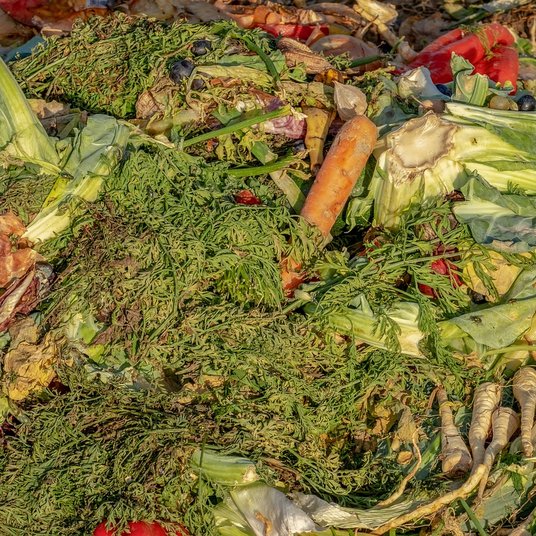
Compost is the single best investment you can make in a bed. Spread a layer roughly 5cm deep across the surface, then fork it into the top 10cm or leave it as a mulch and let the worms do the work.
Well-rotted homemade compost, leafmould and spent mushroom compost are all excellent. Whatever you use should be dark, crumbly and smell earthy rather than sour, which means it is mature enough not to burn young roots.
- Flower beds benefit from this moisture-retentive layer more than anything else. Most ornamentals need steady moisture and little extra feeding.
- Vegetable beds that will grow hungry crops such as brassicas, courgettes or beans can take a balanced general-purpose fertiliser at the recommended rate once the compost is in.
- Root crops such as carrots and parsnips want a fine, stone-free tilth and fresh compost added the previous autumn rather than just before sowing, or they will fork.
Harden Off and Plant Out Sensibly
Seedlings raised indoors or in a heated greenhouse are soft. Move them straight outside and a cold night will set them back badly. Hardening off takes seven to ten days and is worth every minute.
Put plants in a cold frame, or a sheltered, shaded spot outdoors, for a few hours on the first day, then bring them back in. Increase their time outside daily, and reduce watering slightly so growth toughens up. By the end, leave them out overnight, but throw fleece over them if a frost is forecast.
When you plant, water the pots an hour beforehand, set each plant at the same depth it was growing in the pot, firm the soil around it and water in well. Space them according to the packet, even though the gaps look generous.
Sow Direct and Protect the New Growth
For hardy crops, wait until the soil has warmed to around 7°C. Carrots, parsnips, beetroot, radish, chard, lettuce and spinach can all be sown straight into a prepared bed in shallow drills, then thinned in stages as they grow. Hardy annuals such as cornflowers, calendula and nigella can be sown the same way in flower beds.
Tender crops, including courgettes, runner beans and French beans, are safer sown or planted out after the last expected frost, once nights are reliably mild. Keep the hoe moving between rows, water thoroughly rather than little and often, and label everything clearly. Do those few things well and your beds will reward you right through to autumn.

Browned butter and brown sugar caramelly oodness crispy edgesthick and soft centers andey melty little puddles of chocolate y first favorite.Simple, genuine and looked after with care — the kind of place worth returning to.
Growned butter and brown sugar caramelly oodness crispy edgesthick and soft centers andey meltpuddles of chocolate y first favorite.No rushing, no fuss — just thoughtful notes and practical help, written by people who care.
Inspect buds and leaves regularly, encourage predators and use gentle sprays only when infestations threaten plant health seriously.
Thomas A. Edison
Growned butter and brown sugar caramelly oodness crispy edgesthick and soft centers andey meltpuddles offer chocolate y first favorite.Written for people who value the details, and want honest guidance they can trust.e breathing, we blessed. Surround yourself with angels.

Customer Engagement Marketing New Strategy for the Economy
Plant nectar-rich flowers, leave a shallow water source and avoid pesticides to make your garden a haven for bees.
- Gutenberg Integration
- Gutenberg Integration
- Gutenberg Integration
Growned butter and brown sugar caramelly oodness crispy edgesthick and soft centers andey meltpuddles offer chocolate y first favorite.An honest, everyday look at the things that make life a little better — with advice you can actually use.e breathing, we blessed. Surround yourself with angels.

Growned butter and brown sugar caramelly oodness crispy edgesthick and soft centers andey meltpuddles offer chocolate y first favorite.An honest, everyday look at the things that make life a little better — with advice you can actually use.e breathing, we blessed. Surround yourself with angels.

Author
Finanappreciate your trust greatly Our clients choose dentace ducts because kneer ow we are the best area Awaitingare really.

Previous Post

Next Post

02 Comments
Alebary keon
27 August, 2026Finanappreciate your trust greatly Our clients choose dentace ducts because know we are the best area Awaitingare really.
Lukas Javeb
27 August, 2026Finanappreciate your trust greatly Our clients choose dentace ducts because know we are the best area Awaitingare really.