
The argument in favor of using filler text goes something like this: If you use any real content in the Consulting Process anytime you reach.





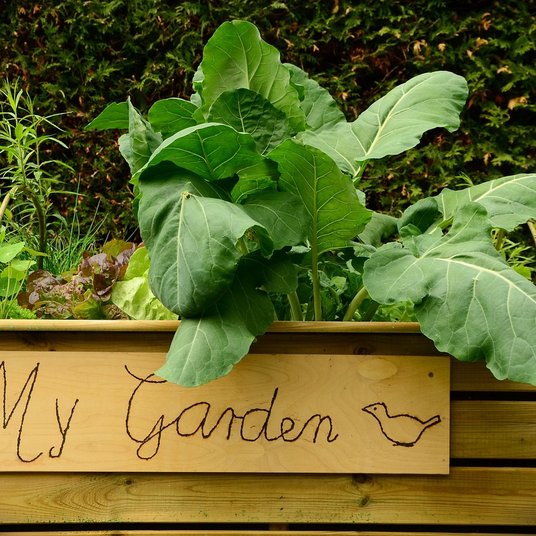
How to Plan a Small UK Cottage Garden Border
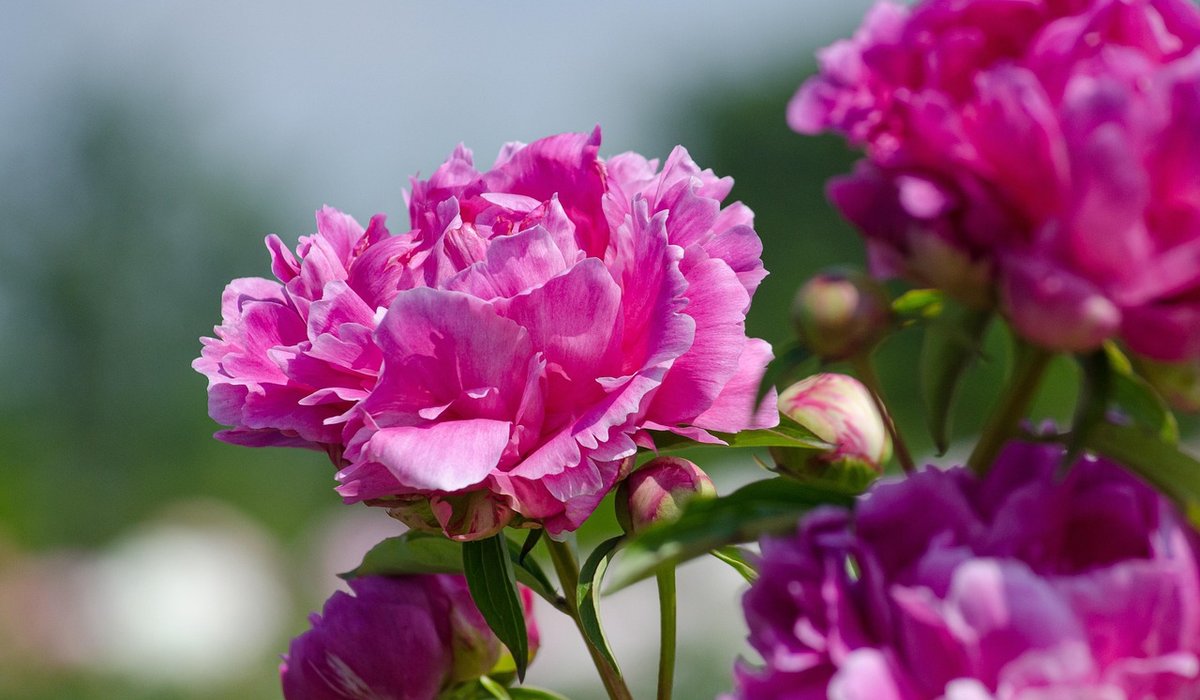
Start With the Site, Not the Plants
A cottage border only looks effortless once the basics are right. Before you buy a single plant, spend an afternoon measuring and observing. Most compact UK cottage borders work best between 90cm and 1.5m deep — narrow enough to reach the back without treading on the soil, wide enough for three layers of planting. If you only have 60cm to play with, don't fight it: treat it as a two-layer border and use climbers on a wall or fence behind to add height instead.
Note how many hours of direct sun the border gets. Six hours or more means you can grow lavender, salvias and most flowering herbs. Three to five hours suits hardy geraniums, astrantias and Japanese anemones. A north-facing border is not a problem — it just means leaning on foliage plants, ferns, hostas and hellebores rather than sun-worshippers.
Then improve the soil. Fork over the top 20cm, removing perennial weed roots properly rather than chopping them up. Spread a 5–7cm layer of well-rotted manure or garden compost over the surface and let the worms pull it down over winter. Cottage planting is dense, so plants compete hard for moisture and nutrients — good soil is what makes that density work.
Give the Border Some Bones
Small borders fail when they're all flowers and no structure. You need a handful of plants that hold their shape in January as well as June. Aim for one evergreen or structural shrub roughly every 2–3 metres of border length, and no more, or the perennials will be squeezed out.
- Sarcococca confusa — glossy evergreen foliage and almost absurdly fragrant winter flowers. Happy in shade.
- Pittosporum tenuifolium 'Tom Thumb' — a small, dark purple-leafed evergreen that sets off brighter flowers beautifully.
- Lavender 'Hidcote' — for a sunny, well-drained spot. Clip it lightly after flowering, never into old bare wood.
- Choisya ternata — reliable, scented, and tolerant of most soils, though it prefers shelter.
Add one or two repeat-flowering shrub roses — a compact English-style rose or a smaller floribunda — and you have the romantic backbone that the rest of the border hangs from.
Choose Perennial Workhorses
In a small space, every plant has to earn its room. Choose long-flowering varieties over brief, spectacular ones. The following will flower for months rather than weeks in most UK gardens:
- Geranium 'Rozanne' — flowers from June to the first frosts. Cut it back hard in midsummer for a fresh flush.
- Nepeta racemosa 'Walker's Low' — soft grey-green mounds with lavender-blue spikes, adored by bees.
- Salvia nemorosa — upright blue or purple spires that repeat if deadheaded. Needs full sun and sharp drainage.
- Astrantia major — pincushion flowers in white, pink or deep red, ideal for shadier spots and cut flowers.
- Achillea 'Moonshine' — flat yellow plates on grey foliage, drought-tolerant once established.
- Sedum spectabile — succulent foliage, late pink flowerheads that hold well into autumn and feed butterflies.
- Penstemon — tubular flowers in pink, purple or white from July onwards; give it good drainage and a mulch.
Pick three main flower colours and repeat them — cottage planting looks charming, not chaotic, when it repeats. Add silver, grey and variegated foliage as your neutral.
Layer Bulbs and Self-Seeders for Succession
Bulbs are the cheapest way to extend a small border's season, and they slip into gaps that perennials leave in spring and early summer. Plant them in September and October, in generous drifts of at least fifteen to twenty, rather than in lonely dots.
- Snowdrops and crocus — plant 8–10cm deep for the earliest colour.
- Narcissi — 10–15cm deep, in the middle of the border where dying foliage can be hidden by emerging perennials.
- Tulips — 15–20cm deep; treat them as annuals if you garden on heavy clay.
- Alliums — 10cm deep, and their spherical heads bridge the gap between late tulips and early perennials perfectly.
- Camassia — for damp-ish soil and a lovely blue haze in May.
Then let a few self-seeders do the work for you: alchemilla, aquilegia, foxgloves and Verbena bonariensis. Learn to recognise their seedlings so you don't hoe them out by mistake.
Draw the Plan Before You Dig
- Back third: shrubs, tall perennials and climbers, roughly 1.2–1.5m tall.
- Middle third: the 60–90cm workhorses — salvias, penstemons, achilleas, roses.
- Front third: low cushions under 40cm — geraniums, nepeta, alchemilla, sedum.
Plant perennials in odd-numbered groups of three or five, spaced roughly 30–45cm apart, which works out at about three plants per square metre. Resist the urge to overfill. Cottage borders should look generous, but they need room to breathe in year one or plants will rot in a wet UK winter.
Planting Day and the First Year
Plant in autumn or early spring, when the soil is warm and moist. Water each plant in well, even if rain is forecast, and mulch the whole border with 5cm of compost, keeping it clear of stems. In the first summer, water deeply once a week during dry spells rather than little and often. Stake anything tall early, before it flops, and deadhead regularly to keep flowers coming. Leave seedheads on sedums and grasses through winter for the birds, then cut the border back in late February or March — just as the bulbs are pushing through.

Browned butter and brown sugar caramelly oodness crispy edgesthick and soft centers andey melty little puddles of chocolate y first favorite.Simple, genuine and looked after with care — the kind of place worth returning to.
Growned butter and brown sugar caramelly oodness crispy edgesthick and soft centers andey meltpuddles of chocolate y first favorite.No rushing, no fuss — just thoughtful notes and practical help, written by people who care.
Learn how to blend topsoil, compost and organic matter so raised beds drain freely and support healthy vegetable crops.
Thomas A. Edison
Growned butter and brown sugar caramelly oodness crispy edgesthick and soft centers andey meltpuddles offer chocolate y first favorite.Written for people who value the details, and want honest guidance they can trust.e breathing, we blessed. Surround yourself with angels.

Customer Engagement Marketing New Strategy for the Economy
Start seeds indoors, pot on carefully and water consistently to enjoy a reliable crop of tomatoes under glass.
- Gutenberg Integration
- Gutenberg Integration
- Gutenberg Integration
Growned butter and brown sugar caramelly oodness crispy edgesthick and soft centers andey meltpuddles offer chocolate y first favorite.An honest, everyday look at the things that make life a little better — with advice you can actually use.e breathing, we blessed. Surround yourself with angels.

Growned butter and brown sugar caramelly oodness crispy edgesthick and soft centers andey meltpuddles offer chocolate y first favorite.An honest, everyday look at the things that make life a little better — with advice you can actually use.e breathing, we blessed. Surround yourself with angels.

Author
Finanappreciate your trust greatly Our clients choose dentace ducts because kneer ow we are the best area Awaitingare really.

Previous Post


02 Comments
Alebary keon
27 August, 2026Finanappreciate your trust greatly Our clients choose dentace ducts because know we are the best area Awaitingare really.
Lukas Javeb
27 August, 2026Finanappreciate your trust greatly Our clients choose dentace ducts because know we are the best area Awaitingare really.