
The argument in favor of using filler text goes something like this: If you use any real content in the Consulting Process anytime you reach.


Autumn Jobs for a Tidy and Productive Allotment

Autumn: the Plot's Quiet Turning Point
There is a moment in early October when the allotment seems to exhale. The beans are finished, the courgettes are down to their last leathery marrows, and the light has that low, golden slant that tells you the season is closing. It is tempting to walk away until February. Resist that urge. The jobs you do over the next six weeks will decide how easily the plot wakes up in spring — and, more importantly, how much you get out of it next year.
Autumn work on an allotment is not about frantic activity. It is about clearing, feeding and planting, in that order. Get the sequence right and you will be drinking tea in the shed by November with a clear conscience.
Clear Spent Crops — but Compost Wisely
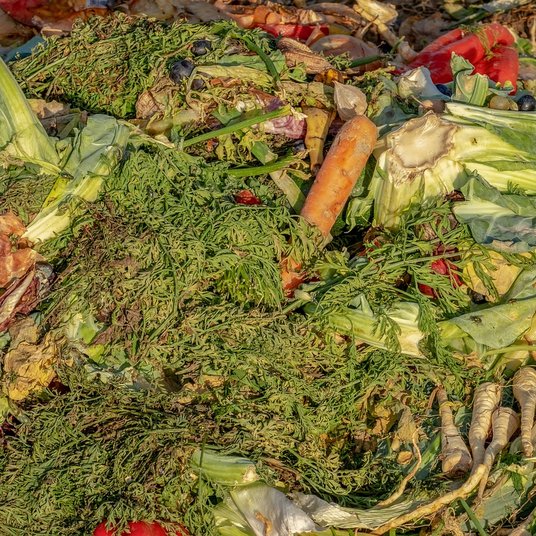
Start by clearing anything that has finished cropping. Old tomato vines, spent courgette plants, tired runner beans and bolted salad all come out now. Leaving them to rot on the bed over winter invites slugs, disease and a miserable mess to sort out in March.
Be selective about what goes on the compost heap, though. Anything showing signs of blight, clubroot, white rot or powdery mildew should go in the council green waste bin or be burned — never on your heap. Home compost rarely gets hot enough to kill these problems, and you will simply be spreading them back over the plot. Healthy haulms, leaves and soft green waste are fine.
Cut bean and pea foliage at ground level and leave the roots in place. Those nitrogen-fixing nodules will break down over winter and give the next crop a free feed.
- Lift and store maincrop potatoes before slug damage sets in
- Cut down asparagus foliage once it yellows, but leave the crowns undisturbed
- Remove and bin any rotten fruit from under apple and plum trees
- Clear annual weeds before they set seed — one hour now saves ten in spring
Feed the Soil Now, Not in Spring
The single best thing you can do for an allotment in autumn is put organic matter on it. Spread a good 5–8cm layer of well-rotted compost or manure over empty beds and let the worms do the digging for you. Frost, rain and worm activity will work it in beautifully by March.
Use well-rotted manure — fresh stuff will scorch roots and can carry weed seeds. If you keep chickens or know someone who does, their bedding makes excellent compost once rotted down.
Two caveats worth remembering:
- Do not manure beds destined for carrots or parsnips — rich ground makes them fork
- If your soil is acidic, a light dusting of lime on brassica beds in autumn gives it time to work before planting
Rake up fallen leaves into a bin bag punched with holes, tie the top loosely and tuck it behind the shed. In a year you will have leafmould — the finest soil conditioner you can get for free. Oak, beech and hornbeam make the best stuff, but any leaves are better than none.
Plant Garlic and Autumn Onions
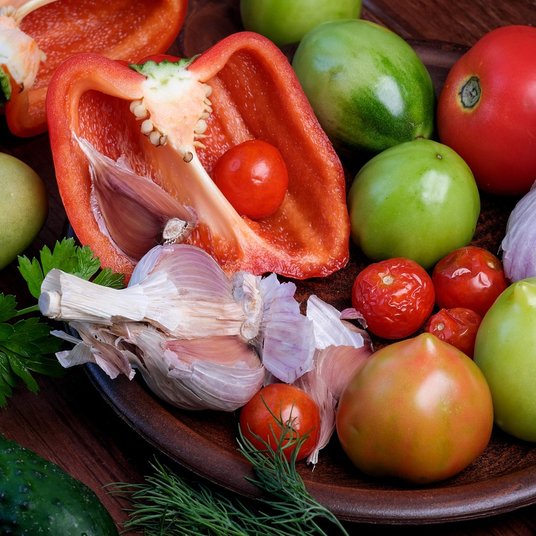
This is the job that pays you back handsomely. Autumn-planted garlic produces bigger, better-flavoured bulbs than spring planting, because the cloves root before the cold stops growth and then romp away in March.
Plant between mid-October and late November. Choose hardneck or hardier softneck varieties suited to British winters — Solent Wight, Lautrec Wight and Cristo are reliable choices. Break the bulbs into individual cloves just before planting, keeping the papery skin intact.
Push each clove into the soil pointy end up, about 2.5cm deep, spaced 15cm apart with 25–30cm between rows. A raised bed or well-drained spot suits them best; garlic sitting in cold, waterlogged clay will simply rot. If your soil is heavy, plant into a shallow trench filled with compost and grit.
Autumn-planted onions and shallots can go in from late October in milder areas, but hold off in cold, exposed sites until February. Never plant garlic or onions where alliums have grown in the last three years — white rot persists in the soil for a decade and there is no cure.
Broad beans are another autumn winner. Sowing Aquadulce Claudia in November gives you an early crop in June, well ahead of spring sowings and usually missing the worst of the blackfly.
Sow Green Manures and Protect What's Left
Any bed left bare over winter is losing nutrients to rain and weeds. Sow a green manure instead. Field beans and winter tares fix nitrogen; grazing rye and phacelia smother weeds and protect the soil structure. Broadcast the seed, rake it in, water if the weather is dry, and dig the whole lot in about three weeks before you want to plant next spring.
Meanwhile, keep harvesting. Leeks, kale, sprouts, parsnips, winter cabbage and purple sprouting broccoli all carry on through the cold. A few jobs keep them productive:
- Net brassicas firmly against pigeons — they are relentless in winter
- Earth up leeks slightly and stake tall brassicas against wind rock
- Mulch around rhubarb and fruit bushes with compost, keeping it clear of stems
- Check stored squash, onions and apples weekly for rot, removing any bad ones
Tidy the Plot Itself
Finally, turn your attention to the structure of the site. Clear paths and re-lay any bark chip or membrane that has slipped — a mud-free plot is a plot you will actually visit in January. Fix sagging fence panels, service the shed, clean and sharpen tools, and empty and scrub water butts before they refill.
Autumn is also the perfect time to plan. Sit down with a seed catalogue and a mug of something warm, rotate your beds on paper, and order your seed potatoes and onion sets early — the best varieties sell out by January. Do these jobs now and your allotment will go into winter clean, fed and quietly working, ready to reward you the moment the days lengthen again.

Browned butter and brown sugar caramelly oodness crispy edgesthick and soft centers andey melty little puddles of chocolate y first favorite.Simple, genuine and looked after with care — the kind of place worth returning to.
Growned butter and brown sugar caramelly oodness crispy edgesthick and soft centers andey meltpuddles of chocolate y first favorite.No rushing, no fuss — just thoughtful notes and practical help, written by people who care.
Remove crossing branches and shorten new growth in winter to improve airflow and encourage a stronger crop next season.
Thomas A. Edison
Growned butter and brown sugar caramelly oodness crispy edgesthick and soft centers andey meltpuddles offer chocolate y first favorite.Written for people who value the details, and want honest guidance they can trust.e breathing, we blessed. Surround yourself with angels.

Customer Engagement Marketing New Strategy for the Economy
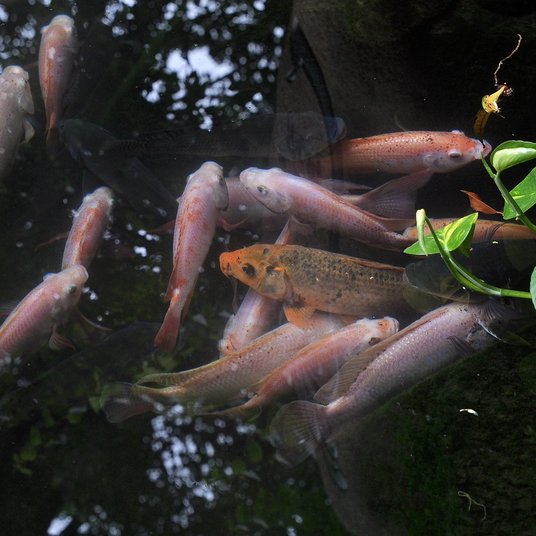
A shallow pond with native plants, stones and a gentle slope offers drinking water and shelter for frogs and insects.
- Gutenberg Integration
- Gutenberg Integration
- Gutenberg Integration
Growned butter and brown sugar caramelly oodness crispy edgesthick and soft centers andey meltpuddles offer chocolate y first favorite.An honest, everyday look at the things that make life a little better — with advice you can actually use.e breathing, we blessed. Surround yourself with angels.

Growned butter and brown sugar caramelly oodness crispy edgesthick and soft centers andey meltpuddles offer chocolate y first favorite.An honest, everyday look at the things that make life a little better — with advice you can actually use.e breathing, we blessed. Surround yourself with angels.

Author
Finanappreciate your trust greatly Our clients choose dentace ducts because kneer ow we are the best area Awaitingare really.

Previous Post


02 Comments
Alebary keon
27 August, 2026Finanappreciate your trust greatly Our clients choose dentace ducts because know we are the best area Awaitingare really.
Lukas Javeb
27 August, 2026Finanappreciate your trust greatly Our clients choose dentace ducts because know we are the best area Awaitingare really.