
The argument in favor of using filler text goes something like this: If you use any real content in the Consulting Process anytime you reach.




Creating a Wildlife Pond in a Small Garden
Why even a tiny pond matters
Water is one of the most powerful ingredients you can add to a garden. Even a pond the size of a dining table can become a busy hub for wildlife. Frogs, newts, damselflies, bees, birds and hedgehogs all use small ponds for drinking, bathing, shelter and breeding. In the UK, many natural ponds have disappeared, so garden ponds are now important stepping stones. A shallow pond with native plants, stones and a gentle slope offers drinking water and shelter for frogs and insects.
You do not need a large garden. A pond roughly 1m by 1.5m, with a centre depth of 40–60cm, is plenty. Small ponds warm up quickly in spring, which suits frogs and insects, and they are easier to plant, top up and keep clear. Build it with wildlife in mind from the start: shallow edges, native plants and easy ways in and out.
Choosing the right spot
Most pond plants and creatures prefer sun for part of the day, but not baking heat from dawn to dusk. Aim for four to six hours of sunlight, with some afternoon shade if possible. Avoid placing the pond under trees or overhanging shrubs. Falling leaves feed algae, roots can puncture a liner, and drips are noisy. A level site is easier to work with. If your garden slopes, use the spoil you dig out to build up one side, or choose a naturally flat corner.
Think about how you will enjoy the pond. A spot near a path or patio means you will notice the first frog, damselfly and flower. Keep it away from busy play areas if children are very small, but do not make it inaccessible. A pond that is easy to watch is a pond that gets looked after.
Digging, lining and creating gentle slopes
Mark out a curvy, irregular shape with rope, hose or sand. Straight edges look artificial and offer less shelter. Dig in layers. Remove the turf and keep it to hide the liner edge later. Create a shallow shelf about 10–15cm deep and 20–30cm wide around at least one side. This is where marginal plants will sit and where birds and insects can drink safely. The centre can be 40–60cm deep; if your pond is very small, 40cm is enough. Check the levels with a straight plank and spirit level before you line it.
Remove sharp stones and roots, then add a soft underlay. Cover it with butyl or EPDM liner, allowing at least 30–45cm of overlap all round. Fold the edges neatly and hide them with turf, stones or gravel. Fill with rainwater from a butt if you can. Tap water contains nutrients and chlorine, which can encourage algae; if you must use it, let it stand for a day or two first. Most importantly, create a gentle slope or pebble beach at one end. Frogs, hedgehogs, beetles and birds need a safe route in and out. A log or flat stone ramp works well. Vertical sides are a death trap for wildlife.
Planting native species for real wildlife value
Native plants support far more insects than exotic varieties and look right in a UK garden. Plant in aquatic baskets lined with hessian, using loam-based compost and a gravel top. Avoid ordinary potting compost, which is too rich and floats away. Aim to cover about half the water surface by the third year, but do not overcrowd at the start.
- Marginals: marsh marigold, water forget-me-not, brooklime, water mint and lesser spearwort. These suit the shallow shelf and give cover for tadpoles and insects.
- Oxygenators: hornwort, water starwort and curled pondweed. They live underwater, use up nutrients and provide hiding places.
- Floating plants: native frogbit is lovely, but keep an eye on it. Avoid invasive plants such as floating pennywort, New Zealand pygmyweed and parrot’s feather.
- Edges: ragged robin, cuckooflower, selfheal and meadow buttercup. Plant these around the damp margins for emerging frogs and insects.
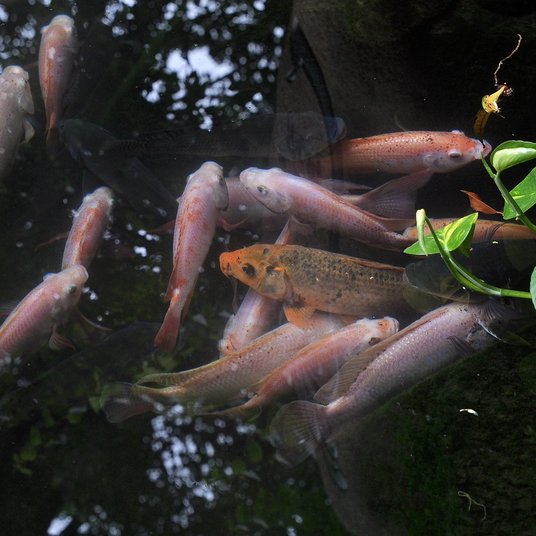
Do not add fish. Goldfish and other fish eat frogspawn, tadpoles and insect larvae, and they need much more filtration and care. A wildlife pond is better without them.
Stones, shelter and safe access
Stones are not just decoration. Piled around the edge, they create basking spots for dragonflies and hiding places for beetles, spiders and frogs. Leave a few flat stones partly in the water as stepping stones for birds and insects. Add a small log pile or leaf pile nearby, and let some grass grow long at one end of the pond. This gives amphibians somewhere damp to shelter when they leave the water.
Keep the water surface varied. A shallow edge, a deeper centre and a gentle ramp or beach mean every creature can find the depth it needs. If you have a steep-sided container or raised pond, add a sturdy ramp of roughened wood or stacked stones. Hedgehogs can swim but cannot climb out of steep sides, and they drown surprisingly easily. A simple ramp saves lives.
Looking after your pond through the year
New ponds often turn green with algae in their first spring. This is normal. Do not use chemicals. Add more oxygenators, allow nearby plants to shade the surface, and wait. Top up with rainwater in summer. In autumn, net out some fallen leaves, but leave a few for wildlife; too many will rot and feed algae.
In winter, leave dead stems and seed heads standing for insects. Do not smash ice on a frozen pond; the shock waves can harm frogs and newts resting in the mud. In early spring, before frogs spawn, remove excess silt and blanketweed, and leave it on the pond edge for a day so creatures can crawl back. Never introduce frogspawn from another pond. Let wildlife arrive naturally.

Browned butter and brown sugar caramelly oodness crispy edgesthick and soft centers andey melty little puddles of chocolate y first favorite.Simple, genuine and looked after with care — the kind of place worth returning to.
Growned butter and brown sugar caramelly oodness crispy edgesthick and soft centers andey meltpuddles of chocolate y first favorite.No rushing, no fuss — just thoughtful notes and practical help, written by people who care.
Use drought-tolerant plants, gravel mulch and clear edging to create an attractive front garden that needs little watering.
Thomas A. Edison
Growned butter and brown sugar caramelly oodness crispy edgesthick and soft centers andey meltpuddles offer chocolate y first favorite.Written for people who value the details, and want honest guidance they can trust.e breathing, we blessed. Surround yourself with angels.

Customer Engagement Marketing New Strategy for the Economy
Sow small batches of lettuce, rocket and spinach every few weeks to keep fresh salad leaves coming from plot to plate.
- Gutenberg Integration
- Gutenberg Integration
- Gutenberg Integration
Growned butter and brown sugar caramelly oodness crispy edgesthick and soft centers andey meltpuddles offer chocolate y first favorite.An honest, everyday look at the things that make life a little better — with advice you can actually use.e breathing, we blessed. Surround yourself with angels.

Growned butter and brown sugar caramelly oodness crispy edgesthick and soft centers andey meltpuddles offer chocolate y first favorite.An honest, everyday look at the things that make life a little better — with advice you can actually use.e breathing, we blessed. Surround yourself with angels.

Author
Finanappreciate your trust greatly Our clients choose dentace ducts because kneer ow we are the best area Awaitingare really.

Previous Post


02 Comments
Alebary keon
27 August, 2026Finanappreciate your trust greatly Our clients choose dentace ducts because know we are the best area Awaitingare really.
Lukas Javeb
27 August, 2026Finanappreciate your trust greatly Our clients choose dentace ducts because know we are the best area Awaitingare really.