
The argument in favor of using filler text goes something like this: If you use any real content in the Consulting Process anytime you reach.


Pruning Apple Trees to Encourage Better Fruit

Why winter is the right time to prune apple trees
An apple tree is dormant from leaf fall until the buds begin to swell in spring, and that quiet window — roughly late November to early March — is when pruning does the most good. Without leaves in the way you can see the true shape of the tree, the framework of branches, and any problems hiding in the middle. The tree is not pumping sap, so it loses far less energy than it would from a spring or summer cut, and the wounds have the whole growing season ahead to seal over.
Pick a dry, still day when the temperature is comfortably above freezing. Wet weather is best avoided because canker spores spread readily in damp conditions, and frozen wood is brittle and shatters rather than cuts cleanly. If you have a large, overgrown tree, do the heaviest work first and leave the finer shaping for a second session — your arms will thank you.
First, know what kind of apple tree you have
Most garden apples are spur-bearing. Cultivars such as 'Cox's Orange Pippin', 'Bramley's Seedling' and 'Egremont Russet' carry their crop on short, stubby spurs produced on wood that is two years old or more. These trees take kindly to regular shortening of new growth.
A smaller group are tip-bearing, fruiting at the ends of last year's shoots. 'Discovery', 'Worcester Pearmain' and 'Beauty of Bath' all lean this way. Shorten them hard and you cut off next summer's apples along with the wood, so prune them lightly and mainly to thin the canopy.
If you are not sure which you have, prune gently for one season and watch where the blossom appears. The tree will tell you.
The three Ds — and those crossing branches
Work in a set order, and the job becomes far less daunting.
- Dead, diseased and damaged wood goes first. Cut back to clean, healthy growth, and disinfect your blades afterwards.
- Crossing and rubbing branches come next. Two branches that chafe against each other strip the bark, and every wound is an invitation to canker. Keep the branch that grows outward with more room around it, and remove the other at its point of origin.
- Congested growth in the centre of the tree follows. Aim for an open, goblet-like shape where light and moving air reach the middle. Good airflow dries the foliage quickly and helps keep scab, mildew and canker at bay.
- Watershoots — those vigorous, vertical stems shooting straight up — can be taken out unless you need one to fill a gap in the framework.
The principle is simple: less clutter means better ripening, better colour and healthier fruit.
Shortening new growth to build better fruit buds
Once the framework is clear, turn your attention to the previous season's extension growth — the long, whippy shoots at the tips of the branches. Shorten these by roughly a third, cutting to an outward-facing bud and leaving about 5mm of wood above it, angled slightly away from the bud so water runs off.
On a very vigorous tree, cut back instead to a weaker side shoot rather than a bud. This slows the branch down and encourages it to settle into fruiting rather than racing upwards. Left unpruned, an apple tree quickly becomes tall and leggy, with all the fruit crowded at the top where you cannot reach it.
Old, tired branches that produce nothing but small, crowded fruit should be removed one or two at a time to make room for fresh wood. Do not strip them all out in one winter.
Clean cuts, sharp tools and good hygiene
Sharp tools make clean cuts, and clean cuts heal. Use bypass secateurs for stems up to about 1.5cm, loppers up to roughly 4cm, and a pruning saw for anything thicker. Cut back to a bud or to the branch collar — the slight swelling where the branch joins the trunk — rather than flush against it, and never leave a long snag that will die back.
Do not paint or seal the wounds; modern advice is to leave them open to the air. Clean your blades between trees with methylated spirit or hot soapy water, particularly if you have been cutting out canker, and burn or bin any diseased prunings rather than adding them to the compost heap.
After pruning: giving the tree what it needs
Never take more than about a quarter of the canopy in a single winter. On a neglected tree, spread the work across two or three years — you will get a better result and far less regrowth.
In spring, mulch around the base with well-rotted manure or garden compost, keeping it clear of the trunk. Go easy on nitrogen-rich feeds, which push out leafy growth at the expense of fruit. Thin the fruitlets in early summer so they sit roughly 10–15cm apart; this improves size and helps avoid biennial bearing, where a heavy crop one year is followed by almost nothing the next.
Finally, check that a compatible pollination partner is growing nearby, and water young trees in dry spells. Pruning sets the structure — but fruit is the reward of the whole year's care.

Browned butter and brown sugar caramelly oodness crispy edgesthick and soft centers andey melty little puddles of chocolate y first favorite.Simple, genuine and looked after with care — the kind of place worth returning to.
Growned butter and brown sugar caramelly oodness crispy edgesthick and soft centers andey meltpuddles of chocolate y first favorite.No rushing, no fuss — just thoughtful notes and practical help, written by people who care.
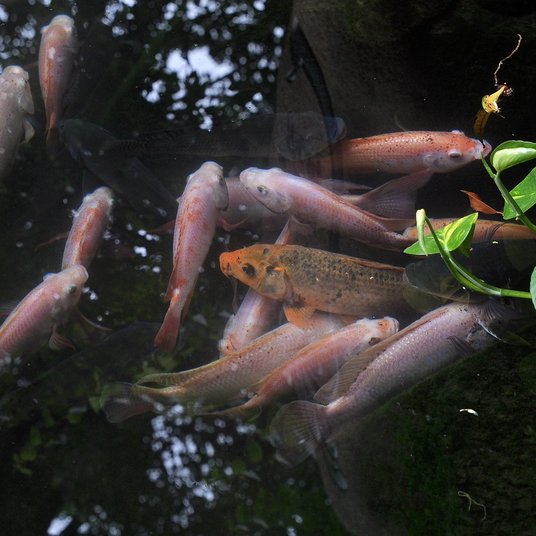
A shallow pond with native plants, stones and a gentle slope offers drinking water and shelter for frogs and insects.
Thomas A. Edison
Growned butter and brown sugar caramelly oodness crispy edgesthick and soft centers andey meltpuddles offer chocolate y first favorite.Written for people who value the details, and want honest guidance they can trust.e breathing, we blessed. Surround yourself with angels.

Customer Engagement Marketing New Strategy for the Economy
Use drought-tolerant plants, gravel mulch and clear edging to create an attractive front garden that needs little watering.
- Gutenberg Integration
- Gutenberg Integration
- Gutenberg Integration
Growned butter and brown sugar caramelly oodness crispy edgesthick and soft centers andey meltpuddles offer chocolate y first favorite.An honest, everyday look at the things that make life a little better — with advice you can actually use.e breathing, we blessed. Surround yourself with angels.

Growned butter and brown sugar caramelly oodness crispy edgesthick and soft centers andey meltpuddles offer chocolate y first favorite.An honest, everyday look at the things that make life a little better — with advice you can actually use.e breathing, we blessed. Surround yourself with angels.

Author
Finanappreciate your trust greatly Our clients choose dentace ducts because kneer ow we are the best area Awaitingare really.

Previous Post


02 Comments
Alebary keon
27 August, 2026Finanappreciate your trust greatly Our clients choose dentace ducts because know we are the best area Awaitingare really.
Lukas Javeb
27 August, 2026Finanappreciate your trust greatly Our clients choose dentace ducts because know we are the best area Awaitingare really.