
The argument in favor of using filler text goes something like this: If you use any real content in the Consulting Process anytime you reach.



Choosing the Right Soil for Raised Vegetable Beds

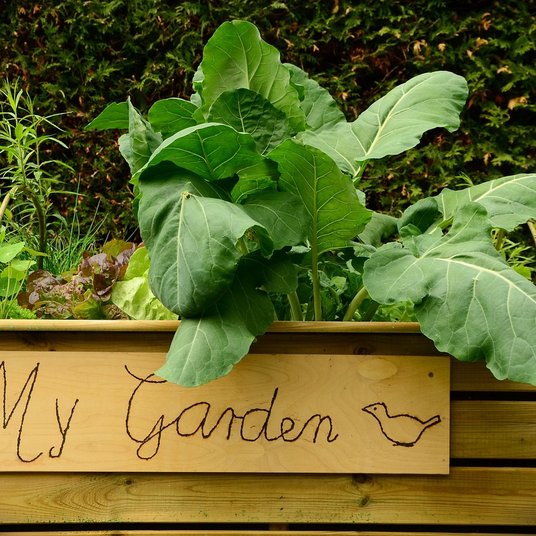
Raised beds are one of the kindest things you can do for a kitchen garden. They warm up earlier in spring, drain better than heavy ground, and save your back from endless bending. But a raised bed is only ever as good as what you fill it with. Get the mix right and your carrots, courgettes and cabbages will romp away; get it wrong and you will spend the season battling waterlogged roots, poor growth and disappointing harvests.
Why Raised Bed Soil Is Different
When you garden in the open ground, you inherit whatever soil is there — clay, chalk, sand, silt — and you improve it over years. In a raised bed, you are building a soil from scratch, and that gives you a real advantage. You can create the loose, fertile, free-draining growing medium that most vegetables crave, regardless of what lies beneath the boards.
The catch is volume. A bed measuring 2.4m by 1.2m and 30cm deep needs roughly one cubic metre of material, and that is a lot to buy or barrow in. It also means the mix has to last. Unlike a compost heap that you can top up endlessly, a raised bed holds a finite amount of soil, and it will settle, shrink and lose structure over time. Planning the blend properly from the start saves you money and heartache later.
The Three Ingredients That Matter
Think of your raised bed fill as a simple recipe with three parts, each doing a distinct job.
- Topsoil provides the bulk and the mineral structure. It is the body of the mix, holding roots steady and supplying trace elements. Look for a loamy topsoil that has been screened, is free of rubble and perennial weed roots, and holds together loosely when squeezed rather than forming a hard clod.
- Compost — your own garden compost or a good peat-free multi-purpose — brings fertility, moisture retention and the beneficial life that makes soil work. It is the engine room of the mix.
- Organic matter in the form of well-rotted manure, leafmould or spent mushroom compost improves structure, opening up heavy soils and binding sandy ones. It is the slow-release backbone of long-term tilth.
A dependable starting blend is roughly 60 per cent topsoil, 30 per cent compost and 10 per cent well-rotted manure or leafmould. For a bed that will grow hungry crops such as brassicas and courgettes, you can push the compost proportion higher, closer to 40 per cent, and reduce the topsoil accordingly. If you are filling a very deep bed — say 45cm or more — put rougher material such as rubble or partially rotted wood at the very bottom to save on the good stuff, then top with 30cm of your proper mix.
Getting Drainage and Water Holding Right
The single most common raised bed mistake is making the mix too heavy. Topsoil straight from a bag, especially if it is clay-based, can bake hard in summer and turn to sludge in winter. The cure is organic matter and grit.
On heavy clay soils, add a generous layer of horticultural grit or sharp sand — about one part in ten — along with plenty of compost. On very light, sandy soils the opposite applies: you need compost and leafmould to hold moisture, and you can skip the grit entirely. Aim for a mix that crumbles easily in the hand, feels slightly damp but never sticky, and lets water drain through within a few seconds when you pour a glass over it.
Because raised beds drain freely, they also dry out faster than the open ground. That free drainage is a blessing in a wet Welsh spring and a curse in a dry East Anglian July. Mulching the surface with 5cm of compost or grass clippings each summer will slow evaporation and keep the soil life happy.
Feeding and Topping Up Over Time
Raised bed soil is not a one-off investment. Each season, crops remove nutrients, the compost breaks down and the level drops by a few centimetres. Expect to top up with fresh compost every autumn or spring, and to apply a balanced fertiliser before planting heavy feeders.
- Leafy crops such as lettuce, spinach and chard want plenty of nitrogen — blood, fish and bone or a comfrey feed works well.
- Root crops such as carrots and parsnips do best in a mix that is fertile but not freshly manured, or you will get forked, hairy roots. Leave last year's bed for them and add only compost.
- Fruiting crops such as tomatoes, peppers and courgettes appreciate a potassium-rich feed once flowers set.
- Legumes such as peas and beans fix their own nitrogen, so they need less feeding but benefit from good structure and moisture.
Rotating what you grow where also helps. Moving crops between beds each year prevents the build-up of soil-borne pests and diseases, and stops any one set of nutrients being stripped out repeatedly.
Practical Tips Before You Fill
Line the base of a new bed with cardboard if weeds or grass lurk beneath — it suppresses them while allowing worms through. Avoid filling entirely with shop-bought compost, which shrinks dramatically and can dry out at the edges. Mix your ingredients on a tarpaulin before barrowing them in, so the blend is consistent from top to bottom. And do not firm the mix down hard; a gentle settle with a rake is enough, as compacted soil defeats the whole point of raising the bed.
Get the foundation right and everything else becomes easier. A well-built raised bed, filled with a thoughtful blend of topsoil, compost and organic matter, will reward you with healthier plants, cleaner crops and a garden that simply works better — season after season.

Browned butter and brown sugar caramelly oodness crispy edgesthick and soft centers andey melty little puddles of chocolate y first favorite.Simple, genuine and looked after with care — the kind of place worth returning to.
Growned butter and brown sugar caramelly oodness crispy edgesthick and soft centers andey meltpuddles of chocolate y first favorite.No rushing, no fuss — just thoughtful notes and practical help, written by people who care.
Start seeds indoors, pot on carefully and water consistently to enjoy a reliable crop of tomatoes under glass.
Thomas A. Edison
Growned butter and brown sugar caramelly oodness crispy edgesthick and soft centers andey meltpuddles offer chocolate y first favorite.Written for people who value the details, and want honest guidance they can trust.e breathing, we blessed. Surround yourself with angels.

Customer Engagement Marketing New Strategy for the Economy
Basil, parsley, chives and mint thrive in containers when given bright light, regular watering and occasional feeding during spring and summer.
- Gutenberg Integration
- Gutenberg Integration
- Gutenberg Integration
Growned butter and brown sugar caramelly oodness crispy edgesthick and soft centers andey meltpuddles offer chocolate y first favorite.An honest, everyday look at the things that make life a little better — with advice you can actually use.e breathing, we blessed. Surround yourself with angels.

Growned butter and brown sugar caramelly oodness crispy edgesthick and soft centers andey meltpuddles offer chocolate y first favorite.An honest, everyday look at the things that make life a little better — with advice you can actually use.e breathing, we blessed. Surround yourself with angels.

Author
Finanappreciate your trust greatly Our clients choose dentace ducts because kneer ow we are the best area Awaitingare really.

Previous Post


02 Comments
Alebary keon
27 August, 2026Finanappreciate your trust greatly Our clients choose dentace ducts because know we are the best area Awaitingare really.
Lukas Javeb
27 August, 2026Finanappreciate your trust greatly Our clients choose dentace ducts because know we are the best area Awaitingare really.