
The argument in favor of using filler text goes something like this: If you use any real content in the Consulting Process anytime you reach.



Improving Clay Soil in Your Garden Borders
Clay soil divides gardeners like little else. If your borders turn to cracked concrete in August and a boggy, boot-sucking swamp by November, you have my sympathy — but you also have some of the most nutrient-rich ground in the country. Clay particles are tiny and plate-like, which means they hold on to water and plant food far better than sandy soils ever will. The trick is not to fight it, but to coax it into a crumbly, workable loam. That takes a few seasons rather than a weekend, but the improvements you make now will pay you back for decades.
First, Stop Digging When It Is Wet
The single most damaging thing you can do to clay is to walk on it or turn it over when it is saturated. Wet clay smears, compacts and sets like brick, and you can create a hard pan just below the surface that roots will struggle to break through for years. Test it before you start: squeeze a handful into a ball, and if it holds together like plasticine, step away and put the kettle on.
The ideal moment comes in early autumn, when the soil is moist but crumbly. Fork it over gently to roughly 20cm (8in), leaving the surface in big, rough clods rather than breaking it down to a fine tilth. Winter frost and rain will do the heavy lifting for you, splitting those clods and improving structure without any effort on your part. Keep off the beds entirely in winter — lay a plank or a few stepping stones if you need to reach something.
Organic Matter Is the Real Answer
Nothing transforms clay faster than generous, repeated doses of bulky organic matter. It opens up the soil, feeds the worms and bacteria that glue particles into crumbs, and improves both drainage and moisture retention at the same time. Aim for a 5–8cm (2–3in) layer spread over the border each year, then let the worms pull it down rather than digging it in.
- Well-rotted horse or farmyard manure — the classic choice, best spread in autumn.
- Garden compost — free if you have a bin or two on the go, and ideal in spring.
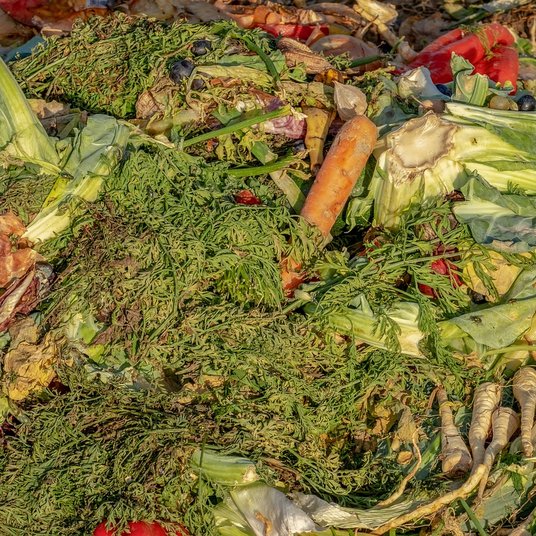
- Leafmould — slow to make but superb for structure; bag up leaves this autumn.
- Spent mushroom compost — alkaline, so use it sparingly around acid-lovers such as rhododendrons.
- Composted bark or green waste — a good mulching material and widely available.
One note of caution: never add builder's sand in an attempt to "lighten" clay. Sand particles and clay particles bind together and produce something closer to concrete. Only grit added in enormous quantities alongside organic matter does any good, and it is rarely worth the cost in a domestic border.
Choose Plants That Do the Work for You
Deep-rooted plants are your unpaid workforce. Their roots push through heavy ground, opening channels for air and water, and many of them look lovely while they do it. Anything with a taproot or a vigorous, fleshy root system is a good bet.
- Herbaceous perennials: hardy geraniums, aconitum, hellebores, crocosmia, echinacea and verbena bonariensis all shrug off clay.
- Shrubs and trees: roses in particular thrive on clay, along with viburnum, hydrangea, cornus and most hawthorns and birches.
- Grasses: miscanthus and deschampsia knit the soil together and look handsome well into winter.
- Green manures: sow field beans, grazing rye, phacelia or mustard on bare patches — their roots break up the soil and you dig the tops back in as free organic matter.
If you fancy an edible border, brassicas, beans and most soft fruit cope well. Root vegetables such as carrots and parsnips will fork and split in heavy ground, so grow those in raised beds or deep containers instead.
Mulch Every Year and Be Patient
Annual mulching is the habit that separates a difficult clay border from a genuinely good one. Spread a 5–8cm layer of organic matter over the soil surface each spring or autumn, keeping it clear of stems and crowns so nothing rots. You are not feeding the plants so much as feeding the soil, and the difference shows within two or three seasons: the surface darkens, worms multiply and the ground becomes easier to fork.
Two other small habits make a real difference. Avoid lime unless a soil test shows your border is genuinely acidic — most clay is already on the neutral to alkaline side, and adding lime can lock up nutrients. And consider raising the soil level slightly in the worst spots, or planting through a mound of improved soil, so roots get a head start before they hit the heavy stuff.
Think in Seasons, Not Weeks
Improving clay is a slow, cumulative business, and that is genuinely good news. Each autumn's layer of compost, each winter's frost, each season of roots pushing through the profile nudges the soil closer to that dark, crumbly loam you are after. Five years of mulching will leave you with borders that are easier to plant, hold moisture through dry spells and feed your plants without much help from a bag. Start this autumn, do a little every year, and the ground beneath your borders will quietly become your garden's greatest asset.

Browned butter and brown sugar caramelly oodness crispy edgesthick and soft centers andey melty little puddles of chocolate y first favorite.Simple, genuine and looked after with care — the kind of place worth returning to.
Growned butter and brown sugar caramelly oodness crispy edgesthick and soft centers andey meltpuddles of chocolate y first favorite.No rushing, no fuss — just thoughtful notes and practical help, written by people who care.
Check compost moisture before watering, empty saucers and group thirsty plants to maintain humidity without soggy roots indoors.
Thomas A. Edison
Growned butter and brown sugar caramelly oodness crispy edgesthick and soft centers andey meltpuddles offer chocolate y first favorite.Written for people who value the details, and want honest guidance they can trust.e breathing, we blessed. Surround yourself with angels.

Customer Engagement Marketing New Strategy for the Economy
Sow annuals like cosmos, sweet peas and zinnias in rows to provide plenty of blooms for indoor arrangements.
- Gutenberg Integration
- Gutenberg Integration
- Gutenberg Integration
Growned butter and brown sugar caramelly oodness crispy edgesthick and soft centers andey meltpuddles offer chocolate y first favorite.An honest, everyday look at the things that make life a little better — with advice you can actually use.e breathing, we blessed. Surround yourself with angels.

Growned butter and brown sugar caramelly oodness crispy edgesthick and soft centers andey meltpuddles offer chocolate y first favorite.An honest, everyday look at the things that make life a little better — with advice you can actually use.e breathing, we blessed. Surround yourself with angels.

Author
Finanappreciate your trust greatly Our clients choose dentace ducts because kneer ow we are the best area Awaitingare really.

Previous Post


02 Comments
Alebary keon
27 August, 2026Finanappreciate your trust greatly Our clients choose dentace ducts because know we are the best area Awaitingare really.
Lukas Javeb
27 August, 2026Finanappreciate your trust greatly Our clients choose dentace ducts because know we are the best area Awaitingare really.