
The argument in favor of using filler text goes something like this: If you use any real content in the Consulting Process anytime you reach.


Creating a Cutting Garden in a Narrow Border

Why a Narrow Border Is Perfect for Cutting Flowers
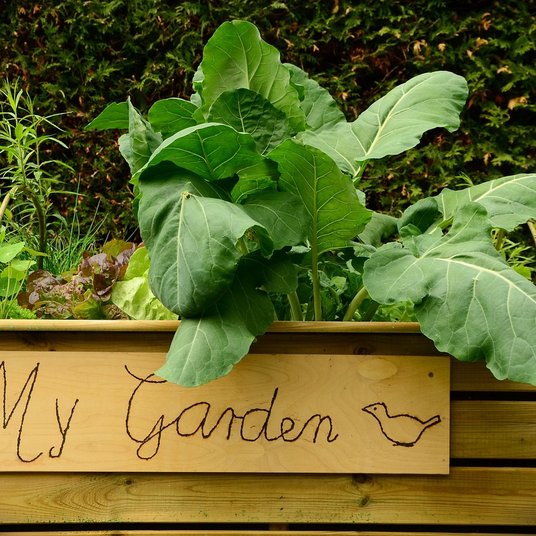
Most gardens have one: that thin strip of soil along a fence, beside a path, or tucked against a south-facing wall. Too narrow for a shrub border, too awkward for a veg patch, and often left to whatever happens to self-seed. Yet a border barely a metre deep is ideal for a cutting garden. Annuals grown for the vase are shallow-rooted, quick to flower, and happiest in the kind of free-draining soil a narrow bed warms up quickly in spring. You do not need a dedicated plot at the end of the garden; you need a strip you walk past every day, so you notice what is ready to pick.
The trick is to treat it like a small production line rather than a mixed herbaceous border. Rows, not drifts. Straight lines make sowing, thinning, staking and harvesting far quicker, and they let you see exactly what is coming on.
Start With the Soil and the Light
Cut flowers want sun. Aim for six hours or more in summer, so an east- or south-facing border is ideal. North-facing strips will still grow foliage, and sweet peas at a push, but bloom counts drop sharply.
Before sowing, fork the bed over to a spade's depth and pull out any perennial weed roots. Couch grass, bindweed and ground elder will out-compete young annuals within weeks. Then work in two or three bucketfuls of well-rotted garden compost per square metre. Narrow borders dry out fast because they have more edge than centre, so organic matter is doing double duty here: feeding the plants and holding moisture.
If your soil is heavy clay, add grit as well. If it is thin and sandy, compost alone will not be enough, so rake in a handful of blood, fish and bone before sowing. Aim for a fine, crumbly tilth about 5cm deep for small seed to settle into.
The Best Annuals for a Tight Space
Choose varieties bred for cutting: long stems, strong necks and a decent vase life. These are the ones I would sow in a border a metre wide, without hesitation.
- Cosmos — 'Purity' or one of the 'Sensation' mixes. Sow after the last frost, direct where they are to flower, and space 30cm apart. They branch beautifully and give you armfuls from July to October.
- Sweet peas — the backbone of any cutting border. Sow in autumn or early spring, grow them up netting or a simple cane frame at the back of the bed, and pick hard. The more you cut, the more they produce.
- Zinnias — 'Benary's Giant' or 'Queen Red Lime'. They need warmth, so sow under cover in April and plant out in June. Give them 25 to 30cm and they will flower until the first frost.
- Nigella, calendula and cornflower — quick, cheap and brilliant for filling gaps at the front. Sow short rows every three weeks for a continuous supply.
- Dahlias — technically tender perennials, but treat them as annuals. Compact varieties such as 'Bishop's Children' fit a narrow bed and flower relentlessly.
Add a few annual grasses — bunny tails or frosted explosion grass — for arranging. They take up almost no room and make home-grown bunches look deliberate rather than accidental.
Sowing in Rows for Easy Picking
Run your rows along the length of the border, not across it. A 90cm-wide bed will take three rows comfortably: tall growers such as sweet peas and cosmos at the back, mid-height zinnias and dahlias in the middle, and low fillers along the front edge.
Label each row. A plant label pushed in at sowing time saves a whole summer of guessing. Then thin seedlings ruthlessly: cosmos at 30cm, zinnias at 30cm, calendula at 20cm. Crowded plants are weak-stemmed, mildew-prone and hopeless in a vase.
Water the row before sowing, not after, so the seed is not washed into clumps. Keep the surface moist until germination, which for most of these takes seven to fourteen days.
Keeping the Supply Going
Cutting is not harvesting — it is pruning. Every stem you take tells the plant to make more. Cosmos, zinnias and dahlias all respond to being picked two or three times a week.
- Deadhead anything you are not cutting, especially calendula and cornflower.
- Sow a second batch of quick annuals in mid-June to fill the gap when the first flush slows in August.
- Feed fortnightly with a high-potash tomato feed once flowering begins.
- Stake tall rows early with canes and string, because a sudden July downpour flattens unsupported cosmos.
Cutting and Conditioning Your Blooms
Pick in the cool of the morning, taking a bucket of water with you. Cut stems at an angle with clean secateurs and plunge them straight in. Strip the lower leaves as you go, because foliage below the waterline is what makes a vase smell.
Condition the stems in a cool, dark room for a few hours before arranging. Sweet peas and dahlias benefit from their stem ends stood in hot water for a few seconds; cosmos and zinnias are happiest in deep, tepid water. Change the water every other day and your narrow border will keep the house in flowers from June right through to the first frost.

Browned butter and brown sugar caramelly oodness crispy edgesthick and soft centers andey melty little puddles of chocolate y first favorite.Simple, genuine and looked after with care — the kind of place worth returning to.
Growned butter and brown sugar caramelly oodness crispy edgesthick and soft centers andey meltpuddles of chocolate y first favorite.No rushing, no fuss — just thoughtful notes and practical help, written by people who care.
Remove faded blooms regularly to direct energy into new flowers and keep borders looking fresh through summer and autumn.
Thomas A. Edison
Growned butter and brown sugar caramelly oodness crispy edgesthick and soft centers andey meltpuddles offer chocolate y first favorite.Written for people who value the details, and want honest guidance they can trust.e breathing, we blessed. Surround yourself with angels.

Customer Engagement Marketing New Strategy for the Economy
Use hollow stems, pine cones and drilled wood to create shelters for solitary bees, ladybirds and other beneficial insects.
- Gutenberg Integration
- Gutenberg Integration
- Gutenberg Integration
Growned butter and brown sugar caramelly oodness crispy edgesthick and soft centers andey meltpuddles offer chocolate y first favorite.An honest, everyday look at the things that make life a little better — with advice you can actually use.e breathing, we blessed. Surround yourself with angels.

Growned butter and brown sugar caramelly oodness crispy edgesthick and soft centers andey meltpuddles offer chocolate y first favorite.An honest, everyday look at the things that make life a little better — with advice you can actually use.e breathing, we blessed. Surround yourself with angels.

Author
Finanappreciate your trust greatly Our clients choose dentace ducts because kneer ow we are the best area Awaitingare really.

Previous Post


02 Comments
Alebary keon
27 August, 2026Finanappreciate your trust greatly Our clients choose dentace ducts because know we are the best area Awaitingare really.
Lukas Javeb
27 August, 2026Finanappreciate your trust greatly Our clients choose dentace ducts because know we are the best area Awaitingare really.