
The argument in favor of using filler text goes something like this: If you use any real content in the Consulting Process anytime you reach.


Using Companion Planting to Deter Garden Pests
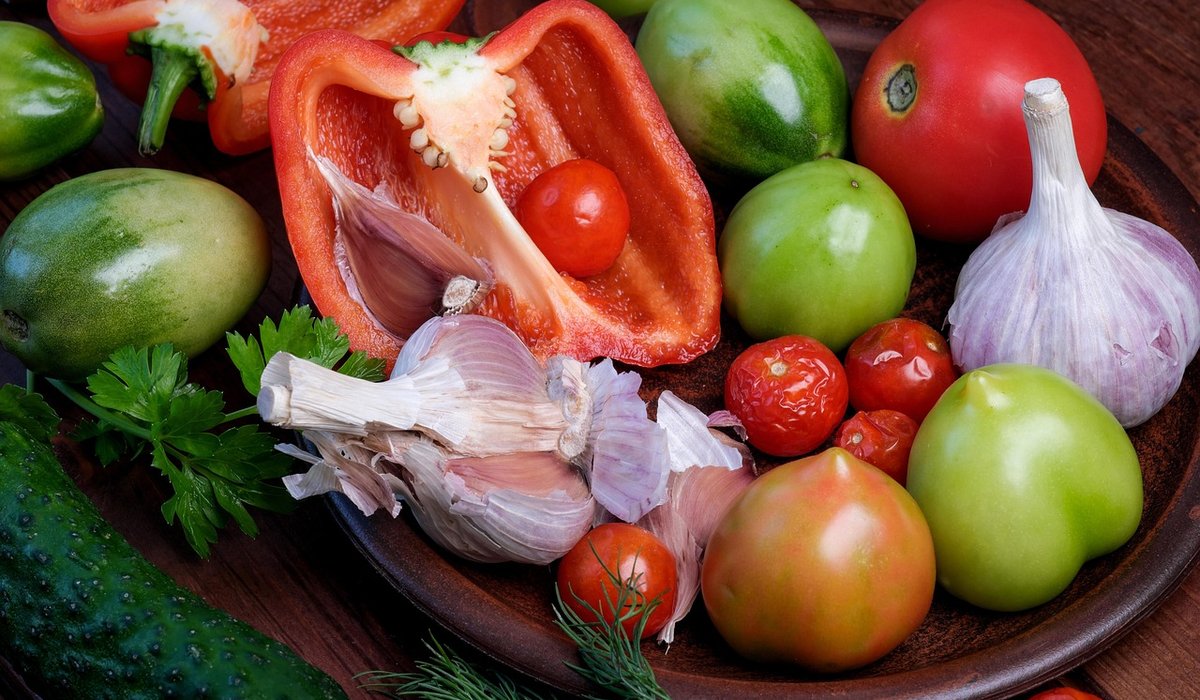
Why Companion Planting Works (and Where It Falls Short)
Companion planting is one of those old allotment ideas that turns out to be quietly clever rather than magical. Most garden pests find their dinner by smell. The carrot root fly hunts for carrots, the cabbage white butterfly homes in on brassicas, and aphids drift towards soft new growth — all largely by following scent trails. Put a strongly scented neighbour in the way and you muddy that trail. The pest still arrives, but it takes longer to find the crop, lays fewer eggs, and gives you a better chance to intervene.
The second half of the story is about encouragement. Many companion plants, especially flowers, feed the predators and parasites that do the real long-term work in a garden — hoverflies, lacewings, ladybirds and tiny parasitic wasps. A bed with something in flower from April to October is a bed with a standing army.
Be realistic, though. Companion planting reduces damage; it does not eliminate it. Treat it as one layer alongside crop rotation, netting, decent soil and prompt watering. Used that way, it earns its keep comfortably.
Carrots and Onions: The Classic Partnership
If you try only one pairing this year, make it this one. Carrot root fly and onion fly both navigate by scent, and each crop's foliage masks the other. Sow or plant them in alternating rows, roughly 20–25cm apart, and the effect is genuinely noticeable — especially on a windy, exposed site where the flies struggle anyway.
- Alternate rows: one row of carrots, one of onions or shallots, repeated across the bed.
- Short on space? Dot spring onions between carrot seedlings instead — they are harvested quickly and leave the carrots room to swell.
- Thin in the evening: disturbing carrots releases that distinctive smell, so do it at dusk on a still day and water afterwards to settle the scent.
- Leeks work too. They belong to the same family as onions and pair just as well with carrots.
Keep the bed weed-free while the seedlings establish. Young carrots compete badly, and a weedy row is a row the flies can find by other means.
Roses, Garlic and the Aphid Problem
Garlic is the rose grower's quiet ally. Planted as cloves around the base of a bush in autumn or early spring, it releases sulphur compounds that aphids and blackfly seem to dislike, and the bulbs are ready to lift just as the roses hit their first flush. Chives and ornamental alliums do a similar job on a smaller scale and look far tidier at the front of a border.
Where aphids are already a nuisance, run a trap crop as well. Nasturtiums planted a metre or so away will draw blackfly off your roses and onto something you do not mind losing. Check the nasturtiums every few days and squash the colonies before they build.
One caution: garlic and onions can inhibit beans and peas, so give your legume patch a wide berth — at least a couple of metres — when you are placing the cloves.
Brassicas and Herbs: Confusing the Cabbage White
Brassicas are the most besieged crops in a British garden: cabbage white caterpillars, whitefly, flea beetle and pigeons, often all at once. Strongly scented herbs planted among them help break up the block of green that butterflies target so efficiently.
- Rosemary, sage and thyme: woody, drought-tolerant and happy in the same ground as kale and sprouting broccoli.
- Dill, hyssop and French marigolds: especially useful around the outer edge of a brassica bed.
- Mint: excellent, but keep it in a sunk pot or it will take the bed.
Be honest with yourself about the limits here. Netting with a fine mesh is still the surest defence against cabbage white, and collars around stems stop cabbage root fly. Use the herbs as a supporting act, not a substitute — and plant them densely enough to actually interrupt the scent line, no more than 30–45cm from the crop.
Flowers That Call In the Beneficials
Predators need nectar and pollen to survive their adult stage, so a few flowers among the vegetables pay for themselves many times over. Flat, open, daisy-like and umbrella-shaped blooms are the most accessible to hoverflies and parasitic wasps.
- Phacelia: quick to grow, superb for hoverflies, and a good green manure if you dig it in later.
- Borage and calendula: long-flowering and unbeatable for bees.
- Dill, fennel and coriander: let a few plants run to flower rather than harvesting every leaf.
- Yarrow and sweet alyssum: low-growing, useful at the edge of raised beds.
Plant these in clumps rather than scattered singly. Insects find a patch of colour far faster than a lone bloom.
Getting Spacing, Timing and Layout Right
Companions only work when they are close enough to matter. As a rough guide, keep them within 30cm of the crop in a bed, or within a metre for larger plants such as rosemary. Beyond that, you are simply growing two things side by side.
Also make sure your companion does not outcompete the crop. Herbs are best kept small and cut back regularly; tall dill can shade lettuces; and vigorous mint belongs in a pot whatever the advice says. Group similar water and feed needs together so you are not overwatering one plant to keep another happy.
Finally, build it into your rotation rather than treating it as a one-off. Alternate carrots and onions in the same bed each year. Dot garlic through the rose border every autumn. Sow a strip of phacelia wherever a bed is bare. Do those three things consistently and you will notice fewer problems, more bees, and a garden that looks considerably more interesting in July.

Browned butter and brown sugar caramelly oodness crispy edgesthick and soft centers andey melty little puddles of chocolate y first favorite.Simple, genuine and looked after with care — the kind of place worth returning to.
Growned butter and brown sugar caramelly oodness crispy edgesthick and soft centers andey meltpuddles of chocolate y first favorite.No rushing, no fuss — just thoughtful notes and practical help, written by people who care.
Fill strong bags with compost, plant chitted seed potatoes and earth up stems as they grow for a decent crop.
Thomas A. Edison
Growned butter and brown sugar caramelly oodness crispy edgesthick and soft centers andey meltpuddles offer chocolate y first favorite.Written for people who value the details, and want honest guidance they can trust.e breathing, we blessed. Surround yourself with angels.

Customer Engagement Marketing New Strategy for the Economy
Spread organic matter, grow deep-rooted plants and mulch annually to gradually improve heavy clay soil structure over time.
- Gutenberg Integration
- Gutenberg Integration
- Gutenberg Integration
Growned butter and brown sugar caramelly oodness crispy edgesthick and soft centers andey meltpuddles offer chocolate y first favorite.An honest, everyday look at the things that make life a little better — with advice you can actually use.e breathing, we blessed. Surround yourself with angels.

Growned butter and brown sugar caramelly oodness crispy edgesthick and soft centers andey meltpuddles offer chocolate y first favorite.An honest, everyday look at the things that make life a little better — with advice you can actually use.e breathing, we blessed. Surround yourself with angels.

Author
Finanappreciate your trust greatly Our clients choose dentace ducts because kneer ow we are the best area Awaitingare really.

Previous Post


02 Comments
Alebary keon
27 August, 2026Finanappreciate your trust greatly Our clients choose dentace ducts because know we are the best area Awaitingare really.
Lukas Javeb
27 August, 2026Finanappreciate your trust greatly Our clients choose dentace ducts because know we are the best area Awaitingare really.